Considered a must-see on a trip to Japan, Kyoto certainly does not disappoint.
Home to 17 world heritage sites and over a thousand(!) temples and shrines, it is one of the best places to sample traditional Japanese culture. Since most of these temples are concentrated in east Kyoto, I’d recommend visiting this area first, which is best explored by foot. The little streets, especially Sannen-zaka and Ninen-zaka are very picturesque. Quite touristy, but enjoyable nonetheless. They will lead you into Gion, Kyoto’s red light district and also home to one of the most famous Geisha districts. It would be hard NOT to spot one of these living legends here or in neighboring Pontocho, especially around early evening as they make their way to their dinner appointments. Speaking about dinner, with all the little canals this is a very atmospheric area for dining, drinks and lingering.
No matter how long or short your stay, make sure to set aside some time to explore other areas of Kyoto as well. I’d recommend renting a bike to get around and explore the other parts of the city. Cycling Kyoto is easy, although remember bike bell etiquette in Japan is non-existent, if you ring you’re more likely to startle the person you are trying to avoid hitting.
Our personal picks of Kyoto and Nara:
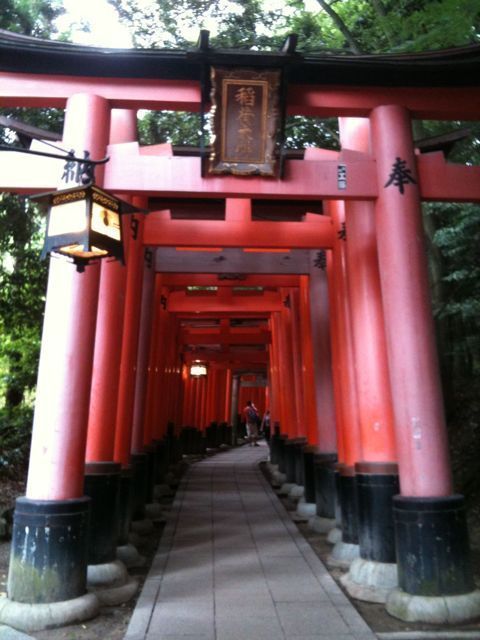
- Fushimi Inari shrine, home to long winded paths framed by vermilion torii gates, so closely spaced there is almost no natural light filtering through.
- Strolling along the Kamogawa river in the evening, watching people watching us.
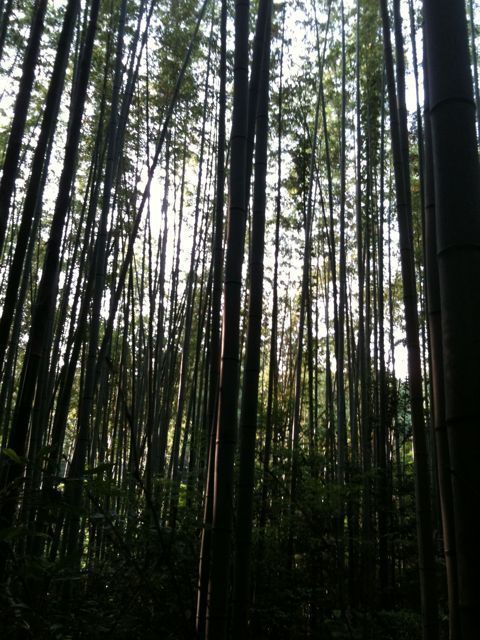
- Searching AND finding the bamboo forest in Arashiyama, gorgeous around sunset.
- Cycling around Nara park and Naramachi, jumping in and out of the traditional machiya houses.
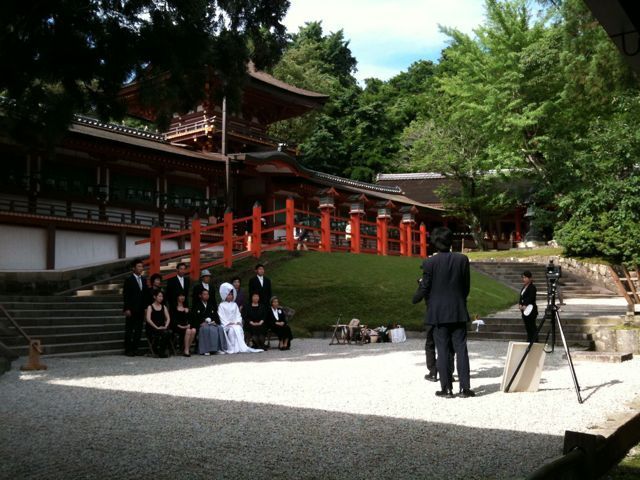
- Arriving at the Kasuga lanterns shrine in Nara and witnessing a traditional Japanese wedding.
We stayed in a modern breed of a capsule hotel mixed with Ryokan. So clean and efficient, great showers and lots of useful information on Kyoto and surroundings. If you only have a few nights, don’t hesitate and book this place right away, it’s close to Kyoto station and public transport will bring you anywhere you need to go. If you have a bit more time, I’d also recommend trying to hire a local machiya to experience life in one of these traditional houses, but only if you’re not getting this experience anywhere else in Japan.
Shinkansen arriving in Kyoto Station
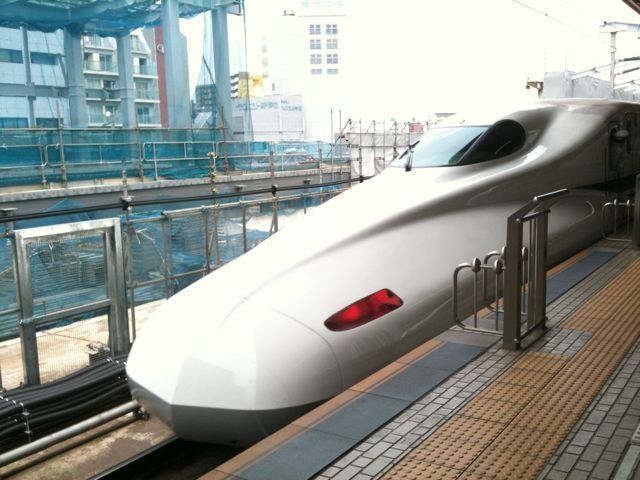
Modern vs Tradition
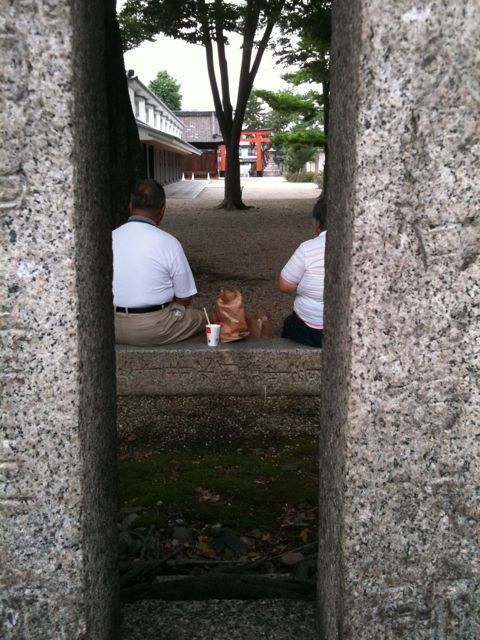
Fushimi-Inari taisha shrine
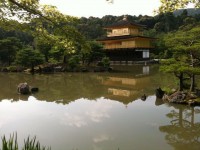
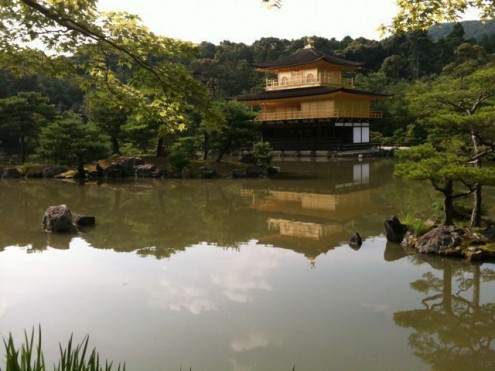
Kinkakuji – Golden Pavilion temple
Bamboo forest in Arashiyama
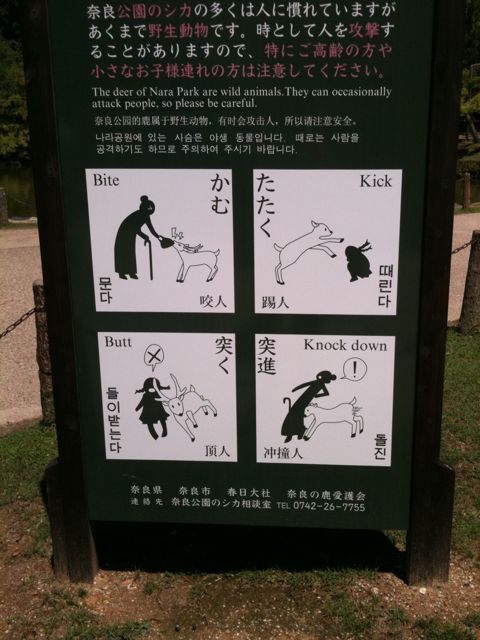
Deer….
Traditional Japanese wedding